


See all of my homeschool highlights for the 2024-2025 school year! 😊
In this post, I’ll be sharing two main themes: reflections on the books that have been successes in our homeschool, and my thoughts on the “trad wife” movement and what it has to teach homeschool moms. Let’s dive into these lessons and explore what they mean for our homeschooling journey.
Book Successes and Minimal Homeschooling Strategies
Why Books Matter in Homeschooling
Books play a crucial role in our homeschool, both for the sake of learning and for fostering a love of reading. For me, quality books are the key to successful homeschooling. Visual storytelling and engaging content not only spark interest but also help my children to retain the information. My goal is to balance a passion for books with a minimalistic approach—choosing quality over quantity, and ensuring every book serves a purpose.
Using Picture Books for Engaging Learning
(This post contains affiliate links, which means I receive a small commission, at no extra cost to you, if you make a purchase using the links. See my disclosure for more information.)
One of the successes in our homeschool has been using picture books, even for my older children (5th and 7th graders). We recently read the Gilgamesh Trilogy, and the visual appeal of these books was a big hit. The beautiful illustrations sparked conversations about Sumerian artifacts, cuneiform, and connections to other stories, such as those found in the Bible. Picture books can lead to deep discussions and enhance comprehension.
Balancing Craft Time and Read-Alouds
Multitasking has been a great way to keep my children engaged. During craft time, I read aloud books related to our studies, and it becomes a dynamic learning experience. Combining hands-on activities with storytelling makes it easier for my children to absorb and enjoy the material.
Selecting Minimal, Yet Engaging Books
When selecting books, I aim for those that are visually appealing, have interactive elements, and align with our homeschool goals. I categorize books into “Read,” “Read Aloud,” and “Browse,” focusing on books that truly engage my children and enhance our studies. This way, we invest time in materials that matter and avoid unnecessary waste.
Showcase of Specific Books and Their Benefits
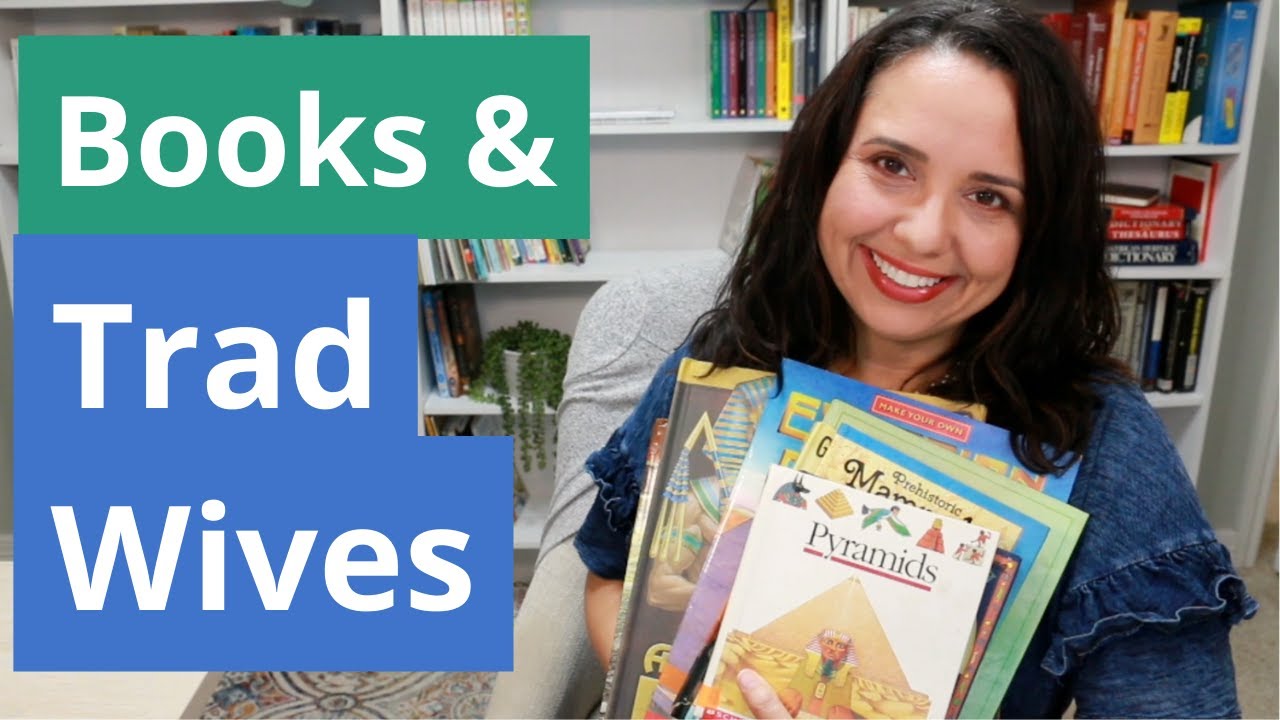
Incorporating books with interactive elements—such as pop-ups, overlays, and flaps—has been a game changer. Books like the Scholastic’s Pyramids and Mystery of History’s Ancient Egypt are filled with unique features that make learning fun and hands-on. My kids are far more interested when they can actively engage with a book, turning it into an exploration rather than just a reading assignment.
The Power of Browsing Books
I also introduced the idea of “browse” books, which allow my children to explore on their own time. During downtime, like waiting at appointments, I pack a backpack with these books, and they serve as educational entertainment. This not only keeps my children occupied, but it also makes learning feel more spontaneous and enjoyable.
Balancing a Love for Books with Minimal Fuss
It’s easy to get carried away with buying books, especially when you love them as much as I do. But to practice the idea of minimal fuss in our homeschool, I focus on purchasing books that will actually be used and enjoyed. The goal is to build a collection that adds value to our homeschool and is not just a shelf-filler.
Options for Sourcing Books Efficiently
To save money, I utilize used bookstores, like Half Price Books, or online options such as Amazon for second-hand books. Libraries are also a great resource—if they have the books when you need them. It’s about being strategic in finding books that are worth the investment and will stand the test of time in our homeschooling journey.
Now let’s move on to a more serious and decidedly less fun topic…
Reflecting on the Trad Wife Movement and Financial Independence
Understanding the Trad Wife Movement and Its Relevance
Are you familiar with the “trad wife” movement? As I understand it, it’s largely about women embracing traditional gender roles in their families, and it has been gaining attention lately. As a homeschool mom, I see parallels between this lifestyle and our own, especially when it comes to homemaking and parenting roles. However, the glamorization of this movement raises important discussions about the potential risks for women who may become too financially dependent on their spouses.
Parallels Between Trad Wives and Stay-at-Home Homeschool Moms
Many of the warnings from former “trad wives” against the trad wife lifestyle apply to homeschool moms as well. When we dedicate ourselves to our children’s education and depend entirely on a spouse for financial security, we may unknowingly put ourselves in vulnerable positions. It’s important to balance our roles as homemakers and teachers with an awareness of financial independence.
Lessons on Financial Independence for Homeschool Moms
Having our own bank accounts, building work skills, and establishing credit are crucial for protecting our futures. These steps not only provide a safety net in case of unforeseen events, but they also help us stay connected to the world outside our homes. Finding ways to have a visible footprint beyond our family roles empowers us and gives us the peace of mind to homeschool effectively.
Conclusion
Balancing modern and minimal homeschooling means finding ways to enrich our children’s learning experiences while also protecting our own futures. By selecting the right books, avoiding unnecessary purchases when it comes to homeschooling resources, and maintaining financial independence, we can create a holistic approach that benefits our entire family. I hope these reflections inspire you to find your balance and make the most of your homeschooling journey.
I’d love to hear your thoughts! How do you balance your role as a homeschool mom with financial independence? What are your favorite books or strategies for modern and minimal homeschooling? Let’s continue the conversation!


